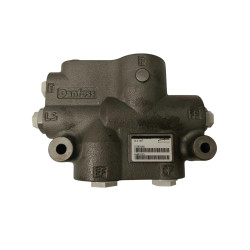
Supplier of hydraulic solutions and parts
Hydraulic pumps, hydraulic motors, seals
High quality, Polish production



Hydraulic Valves
Explore hydraulic valves for construction machinery, mobile equipment and industrial hydraulic systems. HPM Hydraulic offers proportional, check, manual and relief valves for controlling flow, pressure and direction in hydraulic circuits.
Find the correct replacement by OEM number, valve reference, pressure range, flow capacity, port configuration and machine application.
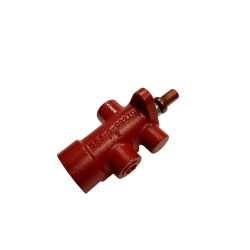
Hydraulic Valves for Mobile and Industrial Hydraulic Systems
Hydraulic valves control the direction, pressure and flow of hydraulic oil within a hydraulic system. They are essential components in excavators, construction machinery, agricultural equipment, cranes, industrial machines and mobile hydraulic applications.
HPM Hydraulic supplies hydraulic valves for replacement, repair and hydraulic system maintenance. Our range includes proportional valves, check valves, manual valves and relief valves, together with selected valves for specialized hydraulic functions.
What Does a Hydraulic Valve Do?
A hydraulic valve regulates how oil moves through the system. Depending on its design, a valve can start or stop flow, change flow direction, limit system pressure, prevent reverse flow or continuously adjust hydraulic parameters.
Hydraulic valves may be used to control:
- flow direction,
- system pressure,
- flow rate,
- actuator speed,
- load holding,
- return flow,
- priority between hydraulic circuits.
Types of Hydraulic Valves
Proportional Valves
Proportional hydraulic valves provide variable control of flow or pressure according to an electrical or hydraulic control signal. They are used where precise and progressive hydraulic control is required.
Check Valves
Hydraulic check valves allow oil to flow in one direction while restricting reverse flow. They are commonly used for circuit protection, load holding and flow control.
Manual Valves
Manual hydraulic valves are operated by a lever, handle or other mechanical control and are used to manually direct or control hydraulic oil.
Relief Valves
Hydraulic relief valves protect hydraulic systems against excessive pressure by opening when a preset pressure level is reached.
How to Select the Correct Hydraulic Valve
The correct valve must match both the hydraulic function and the technical parameters of the system.
Important identification data includes:
- OEM or manufacturer reference number,
- valve type and function,
- maximum operating pressure,
- flow capacity,
- port size and thread type,
- spool or internal configuration,
- electrical voltage where applicable,
- mounting standard,
- machine manufacturer and model.
OEM Number and Valve Reference
The OEM number or complete valve reference is often the safest starting point for identifying a compatible replacement. Similar-looking hydraulic valves may perform different functions or have different internal configurations.
Pressure and Flow Capacity
The valve must be suitable for the required operating pressure and hydraulic flow. A valve with insufficient capacity can cause excessive pressure drop, heat generation or poor machine performance.
Port and Mounting Configuration
Check port thread, connection size, mounting dimensions and hydraulic diagram before installation. These details are especially important when replacing cartridge, manifold or directional valves.
Replacement Hydraulic Valves
When searching for a replacement hydraulic valve, use the complete technical designation whenever possible.
Prepare:
- machine make and model,
- valve manufacturer,
- OEM or reference number,
- pressure setting or range,
- flow rating,
- port configuration,
- electrical data if fitted with a coil or solenoid.
Common Symptoms of Hydraulic Valve Problems
- slow or unstable hydraulic functions,
- incorrect actuator movement,
- pressure loss,
- excessive system pressure,
- hydraulic functions that do not hold position,
- overheating of hydraulic oil,
- internal or external leakage.
Similar symptoms can also be caused by hydraulic pumps, motors, cylinders, contaminated oil or damaged hoses. The complete hydraulic circuit should therefore be checked during diagnosis.
Hydraulic Valves from HPM Hydraulic
HPM Hydraulic supplies hydraulic valves and valve-related components for construction machinery, mobile equipment and industrial hydraulic systems.
If you are unsure which valve is required, provide the complete OEM or manufacturer reference, machine model and clear photographs of the original component.
Valve Control and Repair Components
For applications requiring progressive control of pressure or flow, explore our proportional hydraulic valves. Electrical valve actuation can also require hydraulic solenoid coils.
For servicing existing valve assemblies, browse hydraulic valve spare parts.
FAQ – Hydraulic Valves
What is a hydraulic valve?
A hydraulic valve controls the direction, pressure or flow of hydraulic oil in a hydraulic system.
How do I identify the correct hydraulic valve?
Check the OEM number, valve reference, function, pressure range, flow capacity, ports and mounting configuration.
What is the difference between a relief valve and a check valve?
A relief valve limits excessive pressure, while a check valve primarily allows flow in one direction and prevents reverse flow.
Can similar-looking hydraulic valves be interchangeable?
Not necessarily. Internal spool design, pressure setting, flow capacity and hydraulic function may be different.