Supplier of hydraulic solutions and parts
Hydraulic pumps, hydraulic motors, seals
High quality, Polish production



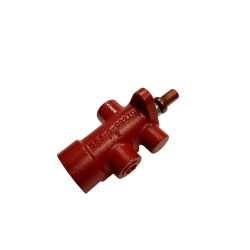
Proportional Valves
Explore proportional hydraulic valves for construction machinery, mobile hydraulics and industrial systems. Proportional valves provide precise, variable control of hydraulic flow or pressure according to the control signal.
Select the correct valve by OEM number, valve model, pressure and flow range, control type, coil voltage and electrical connection.
Proportional Hydraulic Valves for Precise System Control
Proportional hydraulic valves provide progressive control of hydraulic flow, pressure or direction. Unlike simple on/off valves, proportional valves can regulate hydraulic output according to the level of the electrical or hydraulic control signal.
They are widely used in construction machinery, mobile hydraulic systems and industrial equipment where smooth and accurate control is required.
How Does a Proportional Hydraulic Valve Work?
A proportional valve changes its internal opening according to the control input. This allows hydraulic flow or pressure to be adjusted continuously rather than simply switched on or off.
Proportional valves may be used to control:
- hydraulic cylinder speed,
- hydraulic motor speed,
- system pressure,
- flow direction,
- machine working functions,
- priority and load-dependent circuits.
How to Select the Correct Proportional Valve
Verify:
- OEM or manufacturer reference,
- complete valve model,
- hydraulic function,
- flow capacity,
- operating pressure,
- coil voltage,
- electrical connector,
- mounting standard and port configuration.
Electrical Specification
If the valve is electrically operated, the coil voltage and connector type must match the machine control system. Incorrect electrical specifications can prevent proper operation or damage the coil or control electronics.
Valve Reference and OEM Number
Use the complete valve designation whenever possible. Small differences within the same valve family can indicate different control characteristics, pressure ranges or electrical configurations.
Symptoms of Proportional Valve Problems
- jerky hydraulic movement,
- slow or inconsistent response,
- loss of proportional control,
- actuator moving only at maximum or minimum speed,
- electrical fault codes,
- unstable pressure or flow.
Before replacing a proportional valve, check hydraulic oil cleanliness, wiring, connectors, coil resistance and the machine control signal.
Replacement Proportional Valves
HPM Hydraulic supplies replacement proportional hydraulic valves for selected mobile and industrial applications. For accurate identification, provide the complete manufacturer reference, OEM number and machine model.
Electrical and Repair Components for Proportional Valves
Proportional valves often rely on electrical actuation and precise control. Browse our hydraulic solenoid coils for related electrical components.
For valve overhaul and hydraulic circuit repair, see hydraulic valve spare parts. You can also explore the complete electrical parts for hydraulic systems range.
FAQ – Proportional Valves
What is a proportional hydraulic valve?
It is a valve that progressively controls hydraulic pressure, flow or direction according to a variable control signal.
What is the difference between a proportional valve and a solenoid on/off valve?
An on/off valve normally switches between defined positions, while a proportional valve can regulate its opening over a controlled range.
Does coil voltage matter?
Yes. The electrical specification must match the machine control system and valve design.