Supplier of hydraulic solutions and parts
Hydraulic pumps, hydraulic motors, seals
High quality, Polish production



Coils
Browse hydraulic solenoid coils for valves, construction machinery and industrial hydraulic systems. Solenoid coils electrically activate hydraulic valves and are available in different voltages, dimensions and connector configurations.
Find the correct replacement by OEM number, coil voltage, internal diameter, connector type, power rating and valve compatibility.
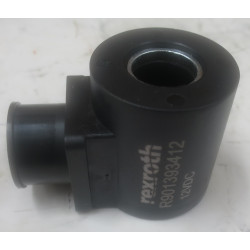
Hydraulic Solenoid Coils for Valves and Machinery
Hydraulic solenoid coils are electrical components used to activate solenoid-operated hydraulic valves. When voltage is applied, the coil generates a magnetic field that moves the valve armature and changes the hydraulic flow path.
Solenoid coils are widely used in construction machinery, mobile hydraulic systems, industrial equipment and hydraulic power units.
How Does a Hydraulic Solenoid Coil Work?
Electrical current passes through the winding inside the coil and creates a magnetic field. This magnetic force moves the valve armature or plunger, allowing the hydraulic valve to change position.
When electrical power is removed, the valve may return to its original position using a spring or another control mechanism.
How to Select the Correct Solenoid Coil
Important parameters include:
- rated voltage,
- AC or DC supply,
- coil power or resistance,
- internal bore diameter,
- coil length,
- connector type,
- valve manufacturer and model,
- OEM or manufacturer reference.
12V and 24V Hydraulic Coils
Mobile machinery commonly uses low-voltage DC electrical systems. The replacement coil must match the machine supply voltage and valve specification.
A 12V coil should not be replaced with a 24V coil, or vice versa, unless the complete system specification confirms compatibility.
Coil Diameter and Valve Compatibility
The internal diameter of the coil must fit the valve solenoid tube correctly. Even coils with the same voltage may not be mechanically interchangeable.
Connector Type
Hydraulic coils can use different connectors, plugs and cable arrangements. Check the electrical connection before ordering.
Common Symptoms of Solenoid Coil Failure
- hydraulic valve does not activate,
- coil becomes excessively hot,
- intermittent valve operation,
- blown electrical fuse,
- damaged or melted connector,
- incorrect coil resistance,
- machine diagnostic fault.
How to Check a Hydraulic Solenoid Coil
Before replacing the coil, check the supply voltage, wiring and connector. Coil resistance can also be measured with a suitable multimeter and compared with the manufacturer's specification.
The hydraulic valve itself should also be checked because a mechanically stuck valve can produce symptoms similar to electrical coil failure.
Replacement Hydraulic Coils
When selecting a replacement, use the complete coil reference, valve model, voltage and physical dimensions.
HPM Hydraulic supplies hydraulic coils for selected mobile, construction and industrial hydraulic applications.
Compatible Hydraulic Valve Components
Solenoid coils are commonly installed on proportional hydraulic valves and other electrically operated hydraulic valves.
When servicing a valve assembly, also check our hydraulic valve spare parts.
FAQ – Hydraulic Solenoid Coils
What does a hydraulic solenoid coil do?
It converts electrical current into magnetic force used to operate a hydraulic solenoid valve.
Can I replace a 12V coil with a 24V coil?
No, unless the system has been specifically designed for the different voltage. The coil voltage must match the electrical supply.
Why does a solenoid coil get hot?
Some temperature rise is normal, but excessive heat may indicate incorrect voltage, electrical faults, excessive duty cycle or coil damage.
How do I identify the correct hydraulic coil?
Check the coil voltage, manufacturer reference, dimensions, connector and valve model.